Health Alert: Monsoon Brings Stomach-Related Diseases – Know the Symptoms and Preventive Measures

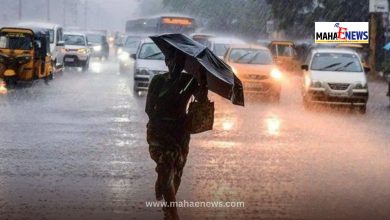
The monsoon season often brings with it the risk of Hepatitis A and E infections. While the rains offer comfort, they also increase the risk of infections, especially those related to the stomach and liver. These infections, although present throughout the year, spread more rapidly during the summer and monsoon seasons due to contaminated food and water. In such conditions, maintaining hygiene and taking precautions is the most effective way to prevent infection.
Affects Vital Organs
Hepatitis A and E mainly affect the liver, starting with inflammation of the liver. Initial symptoms include fever, vomiting, loss of appetite, and may last for 3–4 days, after which jaundice can set in. Signs of jaundice include yellowing of the eyes and dark yellow urine. Jaundice can last anywhere from 2 to 8 weeks. Patients may also experience abdominal pain, body aches, fatigue, and weakness. These infections can affect several organs in the body. For instance, Hepatitis A can cause inflammation in the pancreas and brain. In severe cases where liver function deteriorates, patients may lose consciousness or face liver failure.
Children Are Also Affected
In children under 15 years, Hepatitis A generally presents mild symptoms. However, in individuals over 15, it can be more severe. On the other hand, Hepatitis E can affect people of all age groups. If it occurs in pregnant women, it can be dangerous for both the mother and the unborn baby.
Diagnosis Before Treatment
To diagnose Hepatitis A and E, blood tests, liver function tests, and specific antibody tests are done. In addition, ultrasound and stool tests may also be recommended. The Prothrombin Time (INR) test is crucial as it indicates the severity of liver damage.
Treatment Is Symptom-Based
About 99.5% of Hepatitis A and E cases are treated successfully with medication. In only 0.5% of cases, the infection severely affects the liver, leading to the risk of acute liver failure, where the liver suddenly stops functioning. In such situations, emergency liver transplantation may be required. If a patient is unable to eat, immediate medical attention is advised.
Precautions You Should Take
-
Eat only fresh, home-cooked, and balanced food.
-
Avoid undercooked or raw foods, especially during the monsoon.
-
Refrain from eating street food or openly sold food and beverages.
-
Do not consume leftover food unless it has been stored properly.
-
Drink RO water, or boil water, cool it, and then drink.
-
Wash fruits and vegetables thoroughly before use.
-
Maintain cleanliness at home and in surrounding areas.
-
Practice personal hygiene—for example, wash hands with soap before meals and after using the toilet.
-
Pregnant women should take extra care of hygiene.
-
Vaccination for Hepatitis A is available. Though a vaccine for Hepatitis E exists, it is not yet available in India.
-
If you notice any symptoms, consult a doctor immediately. Do not take any medicines without a doctor’s advice as it may worsen the condition.