
Trump Claims Iran Agrees to Abandon Nuclear Weapons Amid Escalating Conflict
Tehran Denies Ongoing Talks as War Intensifies and Diplomatic Efforts Continue Behind the Scenes
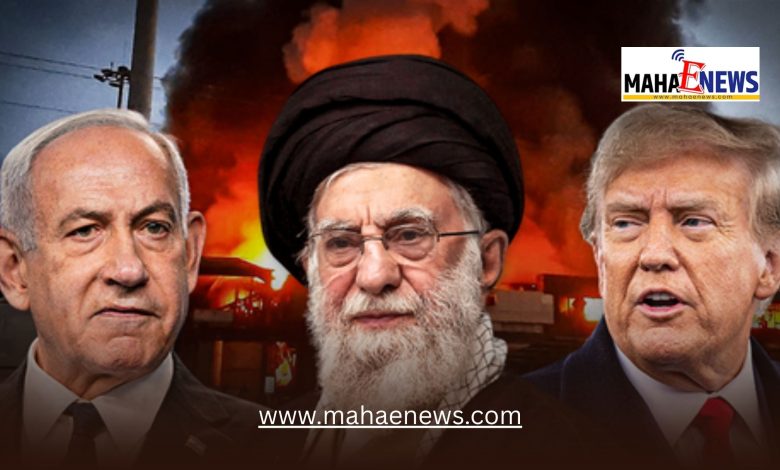
Donald Trump: US President Donald Trump said that Iran has agreed it will “never have a nuclear weapon,” even as fighting in the region continues and Tehran publicly denies that any formal negotiations are underway.
Speaking to reporters in the Oval Office on Tuesday, Trump expressed confidence that diplomatic efforts were gaining traction after nearly a month of conflict. “The fact that they are talking to us and they are talking sense, it all starts with this: they cannot have a nuclear weapon. They asked what the top priorities were. I said numbers one, two, and three are that they cannot have a nuclear weapon. They have agreed that they will never have a nuclear weapon,” he said.
Also Read: ‘Will blow up building, metro station’
Trump also claimed that Iran had sent what he described as a “very big present” related to the Strait of Hormuz, calling it a sign that the US was “dealing with the right people.” He did not elaborate on the nature of the move but linked it to broader efforts to reopen the vital oil shipping route, which has been disrupted during the conflict.
The president added that the US was in a strong negotiating position. “We will have control of anything we want. If we can end this without more lives being lost, I would like to do that. They cannot have certain things. It starts with no nuclear weapons, and they have agreed to that,” he said.
Despite Trump’s optimism, Iranian officials have rejected claims that talks are taking place. Tehran has instead taken a defiant stance, insisting it will continue fighting “until complete victory,” even as international mediation efforts gather pace.
Shehbaz Sharif has emerged as a potential intermediary, offering to host talks. Trump acknowledged that several senior figures—including Vice President JD Vance, Secretary of State Marco Rubio, envoy Steve Witkoff, and adviser Jared Kushner—are involved in outreach efforts.
Reports suggest Washington has proposed a 15-point plan that would impose strict limits on Iran’s nuclear program, including ending uranium enrichment and transferring enriched material. In return, sanctions relief and assistance with civilian nuclear energy projects could be offered, along with guarantees to keep the Strait of Hormuz open.
There are also indications that a temporary ceasefire could be explored to create space for negotiations, although no formal agreement has been confirmed.
War Intensifies Even as Talks Continue
On the ground, the conflict shows little sign of easing. Israeli strikes have targeted sites across Iran and allied positions in the region, while Iranian missiles and drones have hit Israel and neighboring countries.
The United States is also increasing its military presence, with around 1,000 troops from the 82nd Airborne Division expected to deploy, joining thousands of Marines already heading to the Middle East. This buildup has fuelled speculation that Washington is preparing contingency plans even as it pursues diplomacy.
At the same time, the Strait of Hormuz remains central to the talks, with disruptions sending global oil prices sharply higher and raising concerns about wider economic fallout.