
Farmers in Trouble? Middle East Tensions May Affect Fertilizer Supply; Government Takes Major Step
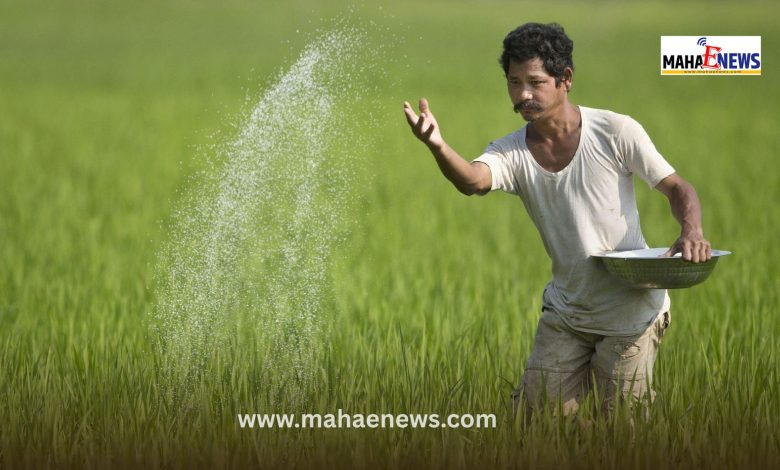
Rising tensions in the Middle East are now beginning to impact India’s fertilizer supply chain. As a result, the Government of India is considering importing fertilizers from alternative countries to avoid potential shortages.
India is planning to increase imports of key fertilizers such as urea and DAP (Di-Ammonium Phosphate) from countries like Morocco, Belarus, Indonesia, Russia, and China.
Follow MahaiNews-X on: Follow MahaiNews on Instagram
India is among the largest importers of urea in the world, making fertilizer supply crucial for the country’s agricultural sector. However, growing geopolitical tensions in West Asia and the possibility of a maritime blockade have raised concerns about traditional supply routes. The Strait of Hormuz is particularly important for India, as nearly 70% of the country’s urea imports pass through this route.
Officials say that during the current financial year, Russia and China have emerged as major suppliers of urea to India, and imports from these countries may increase further. Experts believe relying on a single country for fertilizer supply can be risky due to global geopolitical instability.
According to fertilizer industry associations, both the central and state governments are coordinating efforts to ensure adequate fertilizer supply ahead of the upcoming Kharif crop season. For phosphatic fertilizers, India already has long-term supply agreements with countries like Morocco, Jordan, Saudi Arabia, Russia, and Belarus, providing some relief.
Follow MahaiNews-X on: Follow MahaiNews on Instagram
Another major factor in India’s fertilizer industry is its dependence on natural gas, which is the primary raw material for urea production. Currently, about 30% of the country’s natural gas supply is used by the fertilizer sector. However, the government’s policy of prioritizing city gas distribution has increased pressure on domestic urea production.
In this context, India is also considering diversifying its LNG (Liquefied Natural Gas) imports. Options include increasing imports from countries such as Russia, Australia, United States, and Canada.
Data from the previous financial year shows that nearly 70% of India’s 5.64 million tonnes of imported urea came from Oman, Saudi Arabia, United Arab Emirates, and Bahrain, with Oman being the largest supplier. Saudi Arabia also holds a significant share in India’s DAP fertilizer imports.
Meanwhile, the government has assured that fertilizer stocks in the country are currently sufficient. Randhir Jaiswal, spokesperson of the Ministry of External Affairs, stated that stocks of DAP and NPK fertilizers are higher than last year. The government is working to maintain adequate reserves before the demand for the Kharif season rises.
With the ongoing conflict in West Asia threatening the global fertilizer supply chain, India’s strategy to diversify import sources aims to ensure a stable supply for the country’s agriculture sector.