
Pavana Direct Pipeline Project to Proceed Only After Taking Maval Farmers into Confidence!
- Separate meeting with farmers and representatives of local organizations to be held soon - Information provided by MLA Landge following the meeting with Chief Minister Fadnavis
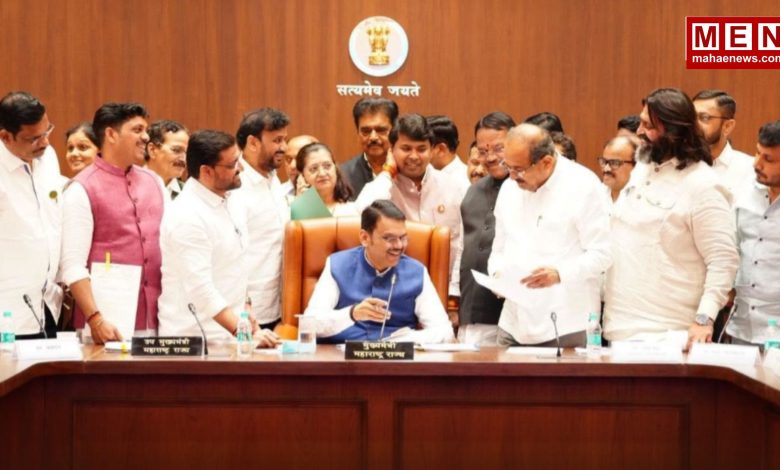
Mumbai / Pimpri-Chinchwad | Correspondent: During a high-level meeting chaired by Chief Minister Devendra Fadnavis, a firm stance was taken that the ambitious Pavana Direct Pipeline Project—designed to permanently resolve Pimpri-Chinchwad’s future drinking water needs—should not move forward without fully taking the farmers of Maval, the *Bhumiputras* (sons of the soil), and local citizens into confidence. BJP MLA Mahesh Landge informed that, following this, the Chief Minister directed that a separate meeting be held next week with farmers and representatives of various organizations to discuss their legitimate demands before a final decision is made.
Follow MahaENews-X on: Follow MahaENews on Instagram
A detailed review of the administrative, technical, financial, and legal hurdles associated with the Pavana Direct Pipeline Project was conducted during the meeting held at Vidhan Bhavan, Mumbai. Key attendees included Water Resources Minister Radhakrishna Vikhe-Patil, prominent public representatives and office-bearers from Maval and Pimpri-Chinchwad, the Pune Divisional Commissioner, the District Collector, and senior officials from the Water Resources Department, Urban Development Department, Revenue Department, Railways, MSRDC, Mahavitaran, PMRDA, and other departments.
While acknowledging the project’s critical necessity—considering the city’s growing population, rising pollution in the Pavana River, and future drinking water requirements—the State Government clarified that equal priority would be given to the interests of the affected farmers.
Speaking at the meeting, MLA Mahesh Landge stated that there was no opposition to the farmers’ demands; instead, he urged that the project be implemented with due respect for the farmers’ demands, rehabilitation needs, and the sentiments of the local people. Work on the project should not commence until all the farmers’ demands are met. Farmers should avoid adopting a stance of agitation or confrontation. Previously, a lack of coordination among the administration, public representatives, and farmers caused the project to take an unfortunate turn; however, that will not happen this time. He urged all stakeholders to view the project with empathy towards the farmers and the local “sons of the soil,” while keeping the broader public interest in mind.
Serious concern was expressed during the meeting regarding the rising pollution levels in the Pavana River. Reports from various laboratories revealed the presence of PFAS (“forever chemicals”), phthalates, industrial chemicals, pesticide residues, pharmaceutical traces, and caffeine in the water. Against this backdrop, the necessity of the direct water pipeline project was highlighted to ensure a supply of safe and pure drinking water for the city in the future. It was noted that the project is vital for future water security, given that Pimpri-Chinchwad’s current population of approximately 3.5 million is projected to rise to around 10 million in the coming decades. Detailed discussions were also held regarding pending land acquisition, permissions from the Railways and MSRDC, power connections from Mahavitaran, obstacles within the PMRDA jurisdiction, and inter-departmental coordination.
What did Chief Minister Fadnavis say?
Chief Minister Devendra Fadnavis stated, “This project is essential for the future; however, we will proceed only after fulfilling the farmers’ legitimate demands. The farmers will not be left in the lurch.” He directed officials to initiate the process of providing employment within the Pimpri-Chinchwad Municipal Corporation to the 12 farmers injured during the agitation. He also assured that positive decisions would be taken regarding rehabilitation, compensation, and all matters concerning the farmers’ welfare. Furthermore, the legitimate demands of the farmers affected by the project will be accepted, and their rehabilitation will be prioritized and resolved.
During the 2011 agitation against the Pavana direct water pipeline project, three farmers lost their lives, and twelve others were injured. Such a sensitive and unfortunate situation must not arise again in the future. Under no circumstances will this project proceed without taking the farmers, sons of the soil, and local residents of Maval into confidence. Therefore, various farmers’ organizations, local bodies, and villagers should view this project not through the lens of conflict, but from an inclusive and equitable perspective. Chief Minister Devendra Fadnavis and the State Government are striving to resolve the issue of Pimpri-Chinchwad’s future water security through dialogue, while ensuring that the interests of the farmers remain protected. The future course of action will become clear following the meeting with the farmers.
– Mahesh Landge, MLA, BJP, Pimpri-Chinchwad, Pune.