
Census 2026: 40 Questions, Caste Data to Be Recorded
India’s upcoming Census will collect detailed information on caste, education, jobs, migration, digital literacy, family and identity documents.
Census 2026: 40 Questions, Caste Data to Be Recorded
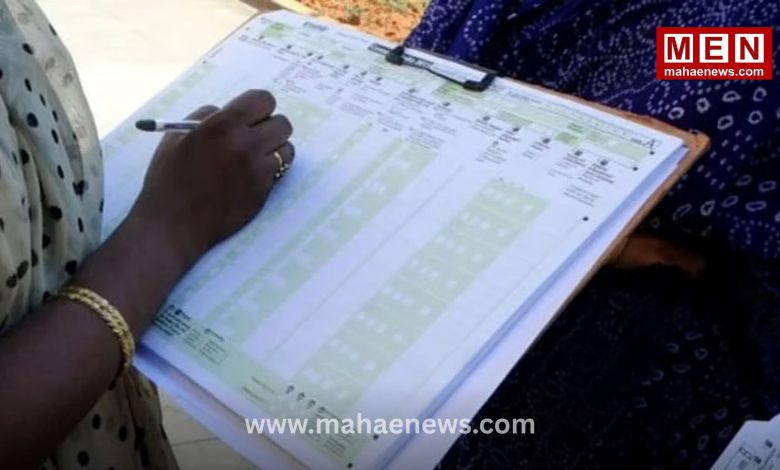
New Delhi: Preparations for India’s upcoming Census have gathered pace, with the Central Government releasing a list of 40 questions that officials are expected to ask citizens during the enumeration process. One of the biggest changes this time is the inclusion of caste-related information, which will be recorded as part of the Census exercise.
Follow MahaENews-X on: Follow MahaENews on Instagram
The questionnaire will cover a wide range of information related to individuals and households, including family details, education, employment, migration, languages, digital literacy, marital status and certain identity documents.
Caste Information to Be Recorded for the First Time
One of the most significant changes in the upcoming Census is the inclusion of caste-related information. The Central Government had decided last year to include caste data in the Census questionnaire.
Citizens will therefore be asked to provide information about their caste during the enumeration process. The data is expected to provide a broader picture of the country’s social composition.
Personal and Family Details
Census officials will begin by collecting basic information such as the name of the person, relationship with the head of the household, gender, date of birth and age.
Questions will also cover marital status, age at marriage, spouse’s name and citizenship. Information related to religion, caste, parents and disability will also form part of the questionnaire.
Education and Digital Literacy
The Census will also focus on the educational profile of citizens. Questions are expected to cover mother tongue, other languages known, literacy and digital literacy.
Officials may also ask whether a person is currently studying at an educational institution, their highest educational qualification and the subject or stream in which they have studied.
Employment and Occupation Details
The questionnaire will seek detailed information about employment and work status.
Citizens may be asked whether they worked during the previous year, the nature of their job or occupation, the industry or service they are associated with and their worker category.
Questions will also cover whether a person is currently looking for work or available for employment and the mode of transport used to travel to their workplace.
Migration and Residence Details
Migration-related information will also be an important part of Census 2026.
Officials will ask about a person’s place of birth, previous place of residence and permanent address. Those who have migrated may also be asked about the reason for migration and how long they have been living in their current village or city.
Such information could help authorities understand the major reasons behind population movement across different parts of the country.
Questions on Marriage and Children
Questions related to marriage and children will also be included. Women who are currently married, widowed, divorced or separated may be asked about the number of children they have.
The questionnaire may also record the total number of children born so far and the number of children born during the previous year.
COVID-19 Vaccination and Bank Accounts
The Census questionnaire also includes a question related to COVID-19 vaccination. Citizens may be asked where they received their COVID-19 vaccine.
Information about the number of bank accounts held by a household is also expected to be collected.
Aadhaar, Mobile and Voter ID Details
The questionnaire includes certain details related to identity documents. Where available, citizens may be asked to provide information such as their mobile number, Aadhaar number, voter ID number and Indian passport number.
Officials may also ask whether the person has a driving licence.
What Will the 40 Questions Cover?
The Census questionnaire will broadly cover:
- Personal identity and family relationship
- Gender, age and date of birth
- Marital status and citizenship
- Religion and caste
- Parents’ information
- Disability status
- Languages and literacy
- Education and digital literacy
- Employment and occupation
- Migration and residence
- Marriage and children
- COVID-19 vaccination
- Bank accounts
- Aadhaar, mobile number and other identity documents
Census Begins in Snow-Bound Areas From September 1
According to the government schedule, the Census process will begin from September 1 in certain snow-bound areas.
Enumeration in snow-affected regions of Ladakh, Jammu and Kashmir, Himachal Pradesh and Uttarakhand is scheduled to take place between September 1 and September 30.
The self-enumeration facility is expected to be available from August 17 to August 31 in these areas. The population enumeration process will subsequently be carried out in other parts of the country.
Why Census 2026 Is Important
The Census is not merely an exercise to count the country’s population. It provides important data on education, employment, migration, language, social composition, household conditions and several other demographic factors.
With caste-related information being included and details concerning identity documents, education, employment and migration being collected, the upcoming Census is expected to provide extensive demographic data.
Citizens should, however, verify the official identity of Census personnel and ensure that they are participating in the authorised Census process before sharing any sensitive information.