Digital Revolution in Rural India: From Villages to Parliament, E-Governance Leads the Way
Gram Panchayats across India are embracing e-governance, women leadership, and digital tools — transforming transparency, service delivery, and citizen participation in rural governance.

Digital Transformation at the Grassroots: Rural India’s Journey Toward E-Governance
Visakhapatnam / New Delhi | October 15, 2025 — As India moves steadily toward complete digital governance from the village level to Parliament, the success of rural e-governance initiatives stands as a remarkable achievement. Despite limited infrastructure, several Gram Panchayats have set inspiring examples of digital transformation, thanks to community participation and leadership.
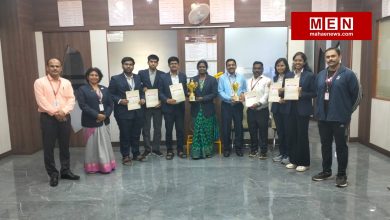
At the 28th National e-Governance Conference held in Visakhapatnam, Gram Panchayats excelling in digital governance were honored for their innovation and impact. Out of numerous entries from across the nation, four Gram Panchayats were selected — notably, two of them led by women sarpanches, symbolizing the growing role of women in digital rural leadership.
Women-Led Panchayats Setting New Standards
Maharashtra’s Rohini Gram Panchayat, the Gold Medal Winner, became India’s first paperless, fully digital village office. The Panchayat provides 1,027 online services, boasts 100% digital literacy, and ensures real-time grievance redressal through a multi-utility SMS service, creating a strong sense of government accessibility among citizens.
In Tripura, the West Majlishpur Gram Panchayat, headed by a woman sarpanch, has emerged as a model of public charter-based governance. Citizens can access essential services like birth, death, and marriage certificates, trade licenses, property registration, and MGNREGA job cards — all online. Each grievance is digitally tracked and resolved, ensuring transparency and accountability.
Digital Innovation Across States
Gujarat’s Palsana Gram Panchayat won the Critics’ Choice Award for introducing QR/UPI-based property tax payments, online grievance systems, and transparent welfare delivery through portals like Digital Gujarat and Gram Suvidha. Over 10,000 citizens benefit annually from its digital services.
Odisha’s Suwakati Gram Panchayat, also led by a woman sarpanch, earned recognition for digitizing critical services via platforms like Odisha One and Seva Odisha, providing 24×7 citizen access. These initiatives demonstrate how digital technology bridges the gap between government and people, fostering inclusive governance.
National e-Governance Program and Digital Tools
India’s National e-Governance Plan (NeGP), launched in 2006, prioritized the e-Panchayat project to strengthen local governance through technology. By 2020, the e-GramSwaraj platform was launched to simplify Panchayat operations, supported by mobile apps like GramSwaraj and m-ActionSoft, enabling real-time access to data and decisions.
Through these platforms, Panchayat meetings, agendas, and resolutions are now uploaded online, promoting transparency and citizen participation. Citizens can view meeting details, track decisions, and engage with governance through dedicated mobile apps.
‘Sabhasaar’: AI-Powered Rural Governance
On August 14, 2025, the Ministry of Panchayati Raj launched ‘Sabhasaar’, an AI and NLP-based smart tool that records and uploads meeting agendas and outcomes through audio or video. The tool has been enthusiastically adopted — over 12,800 Gram Panchayats have uploaded 21,000+ meeting videos, while all 1,193 Panchayats in Tripura have successfully implemented it.
The platform, available in 13 regional languages, now connects 50,264 Gram Panchayats and 11 Zilla Parishads, embodying the spirit of its tagline — “Har Charcha ka Saar, Ek Jagah” (The essence of every discussion, in one place).
Empowering Rural India Digitally
From Maharashtra to Tripura, Gujarat to Odisha, the digital wave has redefined rural governance. What began as a vision under Digital India has now become a grassroots movement — enabling efficiency, transparency, inclusiveness, and empowerment in India’s villages.