
Why a Muslim Filipino group reveres the Ramayana: Interview with Professor Rhodora Magan
The Filipino version of the Ramayana celebrates Maharadia Lawana, who is equivalent to Ravana. Professor Magan explains how the Maranaos altered and indigenized the narrative to suit their own economic and cultural identity.
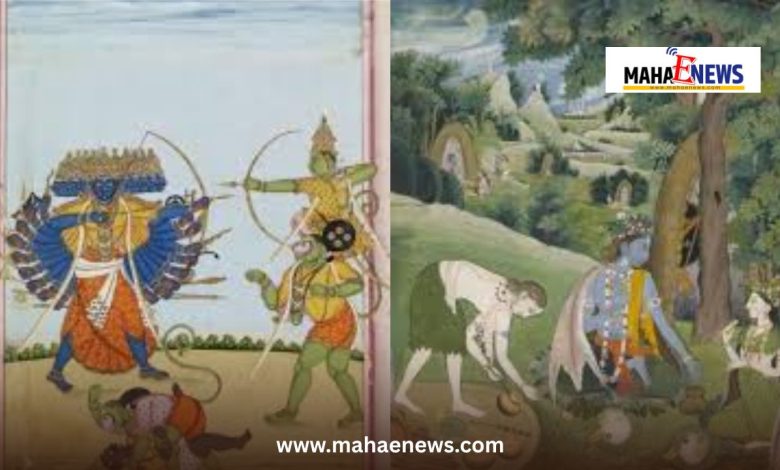
Three hundred Ramayanas are known to exist around the world. Among them is a version revered by a Muslim Filipino ethnic group called the Maranaos. About two hundred years ago, the Maranaos were forced to migrate to the Sulu Aquapelago, a string of islands in southwestern Philippines, and reimagine themselves, both economically and culturally. What came in handy was a version of Valmiki’s Ramayana that was already popular among the existing Muslim ethnic groups living on the island.
Rhodora G Magan, associate professor of Literature and Communication at Cebu Technological University, Philippines, in a recently published research paper titled Perception and Visibility of the State: The Ramayan of the Maranao: Rethinking Aquapelagos in the Philippines’ Sulu Sea (Shima Journal, March 2025), unravels the complex ways in which the Maranaos adapted the Ramayana for their survival. The Maharadia Lawana, as the Ramayana is titled among the Maranaos, focuses on the character of Ravana, making him the hero of the epic. This creative adaptation of the epic, explains Magan, was done to align with the new cultural identities of the Maranaos.
In an interview , Magan speaks about the history of the Maranaos and the role the Ramayana played in the process of migration and resettlement they underwent. Edited excerpts:
Who are the Maranaos?
The Marano people are one of the major Mohammedan groups in the Philippines, alongside the Maguindanao, the Tausug, and the Yakan.
The Maranaos were recorded to have migrated some 200 years ago from the upland to the lowland area due to land competition and a volcanic eruption. They came to inhabit the Sulu Aquapelago. So, from being farmers, they had to become fishermen. They had to shapeshift and understand their new space, so they had to become confident, psychologically speaking, in the kind of role they had to act upon, which was very different from being farmers.
When they were inhabiting the coastal areas, they realised that they had to survive. And so, they retooled themselves. A lot of books authored by Europeans portrayed the Maranaos as ‘marauders’, who do everything to disrupt the peace in Southeast Asia. But, in fact, Maranaos were Eastern sea lords. They were fierce warriors and played a huge role in the economic dynamics. They became great traders. They play the role of the middlemen between two economic giants — Britain and China. As the middlemen, the Maranaos control the seas. They are known as pirates, but piracy is part of their survival strategy. And wanting to survive is a part of the Maranao psyche, which is also why they latch on to the Maharadia Lawana, the regional variant of the Ramayana.