
‘We Will Not Compromise’: Why Israel Strongly Opposes the US-Iran Peace Deal
Israeli leaders reject the proposed agreement, citing security concerns, Iran’s nuclear ambitions, and the future of military operations in the region
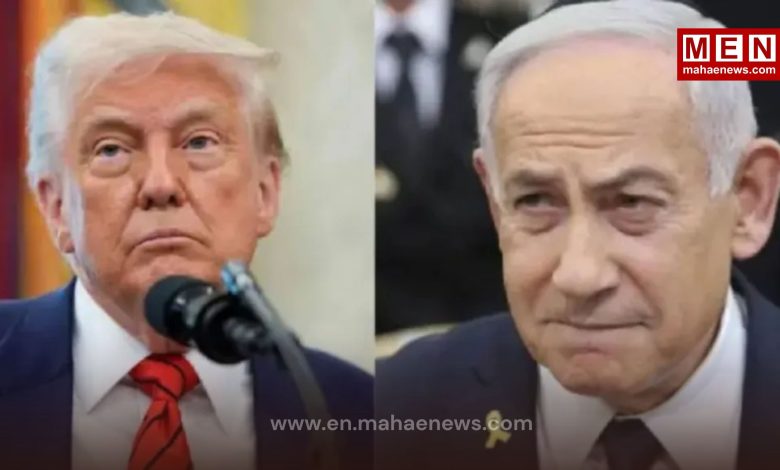
While the proposed peace agreement between the United States and Iran has been welcomed by several countries around the world, Israel has openly expressed strong opposition to the deal. Israeli leaders have made it clear that the agreement will not be binding on Israel and that the country will not compromise on matters related to its national security.
The peace agreement is expected to be formally signed in Switzerland on Friday. However, even before the signing ceremony, leaders from both Israel’s ruling coalition and opposition parties have voiced serious concerns about the proposed arrangement.
Background of the Conflict
Tensions in West Asia escalated significantly following a joint military strike by the United States and Israel against Iran on February 28. The conflict expanded over the following months, with Iranian attacks on American military installations and renewed clashes involving various regional actors.
The situation also led to increased hostilities between Israel and Hezbollah in Lebanon. Over the past few years, Israel has faced multiple security challenges involving Hamas, Hezbollah, and Iran, making national security a central issue in the country’s foreign policy.
Follow MahaENews-X on: Follow MahaENews on Instagram
Israeli Ministers Take a Hardline Stand
Israel’s National Security Minister, Itamar Ben-Gvir, strongly criticized the agreement, stating that Israel is a sovereign nation and will make its own security decisions. He emphasized that Israel would not halt its operations until threats from Hezbollah are fully neutralized.
Finance Minister Bezalel Smotrich also condemned the deal, arguing that it could pose long-term risks not only to Israel but also to the wider international community. According to him, Israel must continue taking independent measures to prevent Iran from acquiring nuclear weapons.
Meanwhile, Defense Minister Israel Katz stated that Israeli forces would not withdraw from strategic areas in Lebanon, Syria, or Gaza despite international pressure.
Opposition Parties Also Raise Concerns
The criticism is not limited to the government. Opposition leader Yair Lapid described the proposed agreement as a major failure of Israel’s foreign and security policy if it ultimately comes into force.
Similarly, Yair Golan argued that military gains achieved by Israeli forces could be undermined by what he called weak diplomatic leadership.
1. Military Operations in Lebanon
The agreement reportedly calls for de-escalation across multiple conflict zones. However, Israel remains unwilling to halt military operations against Hezbollah in Lebanon.
2. Concerns Over Iran’s Nuclear Program
Israeli officials believe the proposed deal does not place sufficiently strict restrictions on Iran’s uranium enrichment activities and nuclear development program.
3. Release of Iranian Funds
Israel is concerned that the release of frozen Iranian assets could increase financial support for armed groups operating in Gaza, Lebanon, and Yemen, potentially strengthening organizations viewed as security threats.
Although Prime Minister Benjamin Netanyahu has not directly commented on the latest developments, he has repeatedly stated that Israel remains committed to preventing Iran from developing nuclear weapons under any circumstances.
Follow MahaENews-X on: Follow MahaENews on Instagram