
MNS leader moves Nashik court against BJP MP Nishikant Dubey over Marathi remarks
MNS leader Sudam Kombade has filed a petition in Nashik sessions court against BJP MP Nishikant Dubey for remarks allegedly insulting Marathi identity. Kombade has demanded a public apology and warned of consequences if Dubey visits Nashik.
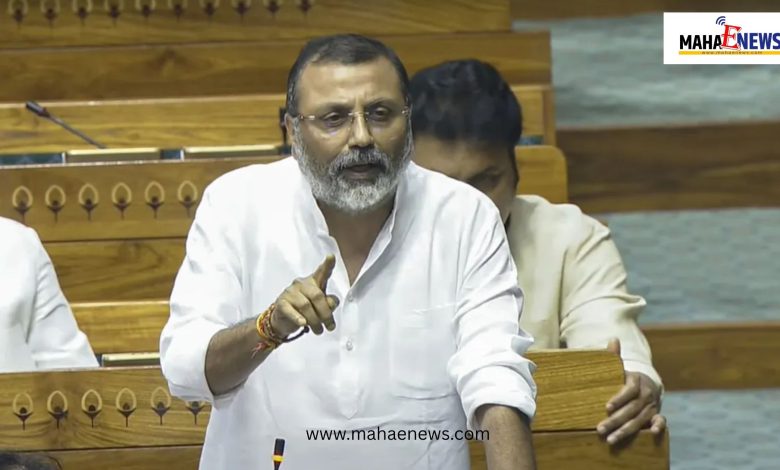
A petition has been filed in a Nashik sessions court against Bharatiya Janata Party (BJP) MP Nishikant Dubey over his recent remarks that allegedly insulted the Marathi language and community. The petition, filed by Maharashtra Navnirman Sena (MNS) Nashik unit president Sudam Kombade, seeks a public apology from the BJP leader to the people of Maharashtra. Kombade’s move comes after Dubey failed to apologise for his comments, which sparked backlash across Maharashtra. In the petition, Kombade accused Dubey of hurting the sentiments of Marathi-speaking people and demanded that he express regret publicly. He also issued a warning, saying Dubey would be “taught a lesson” if he visits Nashik.
he row erupted after a video surfaced in which Dubey, reportedly in the context of the growing regional tension between local and migrant populations, said: “Aaiye Uttar Pradesh, Bihar mein, hum patak patak ke maarte hain” (Come to Uttar Pradesh or Bihar, we thrash people thoroughly). Though Dubey did not directly name the Marathi community in the clip, the comment was widely perceived as a provocative response to regional assertions in Maharashtra, particularly amid tensions ahead of upcoming municipal elections.
Dubey, a Lok Sabha MP from Jharkhand’s Godda constituency, has so far not responded to the demand for an apology.
Rising Marathi vs non-Marathi tensions
This legal development comes amid a renewed debate over the rights and representation of Marathi-speaking people in urban Maharashtra, especially in cities like Mumbai, Thane, and Nashik, which have significant migrant populations from northern states like Uttar Pradesh and Bihar. With civic body polls around the corner, political parties like the MNS have been reigniting the Marathi pride issue, accusing national parties of neglecting the local population’s linguistic and cultural identity.
Sudam Kombade’s legal step may escalate the political friction further, especially as regional parties attempt to consolidate the Marathi vote base in the run-up to the municipal elections.