
🇮🇳 India Floods U.S. Rice Market: What Does “Dumping” Really Mean?
India–U.S. Trade Talks See New Tensions as Rice Dumping Allegations Surface
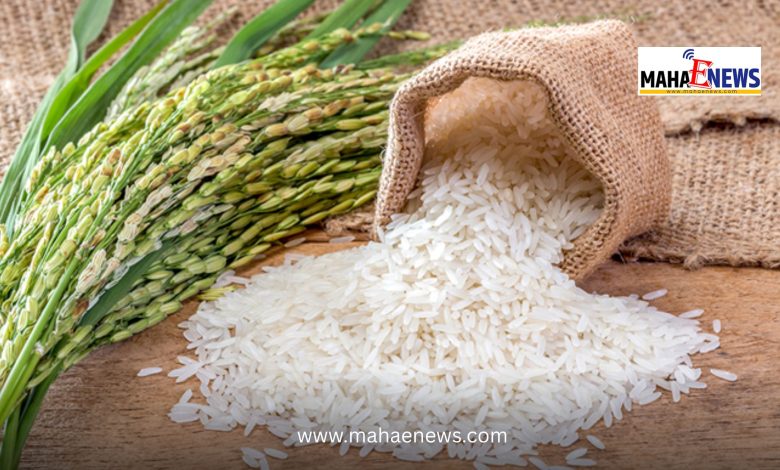
🇮🇳 India Floods:
India’s growing rice exports to the United States have triggered fresh concerns in ongoing India–U.S. trade negotiations. As discussions continue on a broader trade agreement, Washington has raised the issue of “dumping”, claiming India is selling rice in the U.S. at unfairly low prices. At the same time, India has held a firm stand on protecting its agricultural and dairy sectors.
What Is Dumping?
Dumping occurs when a country exports surplus goods at very low prices, potentially harming producers in the importing nation. U.S. rice farmers argue that cheaper Indian basmati and non-basmati varieties threaten their market. Ironically, while former U.S. President Donald Trump accused India of dumping, his administration simultaneously announced a $12-billion bailout for American farmers.
America’s Rising Appetite for Rice
According to the U.S. Department of Agriculture, per-capita rice consumption in the U.S. has increased from 5.2 kg in 1970 to 11.8 kg in 2023–24. A larger Asian and Hispanic population, rising preference for gluten-free foods, and new rice-based products have all contributed to this surge.
From PL-480 Food Aid to a Global Exporter
Six decades ago, India relied heavily on U.S. Public Law 480 “Food for Peace” wheat imports. At one point, India received over 10 million tonnes of low-grade U.S. “red wheat,” often mixed with parthenium (“Congress grass”) seeds. The bread made from this wheat was famously hard and reddish.
The situation changed dramatically after the Green Revolution led by Dr. M.S. Swaminathan, which boosted both quantity and quality of Indian farm output. Today, India exports over 22 million tonnes of rice annually — making it one of the world’s largest rice exporters.
A Complete Role Reversal
A nation once dependent on U.S. grain is now supplying premium rice to American consumers. U.S. farmers have begun filing complaints against India for “rice dumping,” reflecting how significantly the power dynamics in food trade have shifted. With rising global demand for Indian basmati and other varieties, India’s position in the international rice market continues to strengthen.
As the U.S. hints at new tariffs — similar to past PL-480-style trade pressures — the outcome of current negotiations will determine the next phase of India–U.S. agricultural relations.