
Iran–Israel War Hits Pakistan Hard; Petrol Prices Jump by ₹55 Per Litre
Oil supply disruptions in the Strait of Hormuz trigger fuel crisis; Pakistan considers COVID-era measures to cut energy consumption
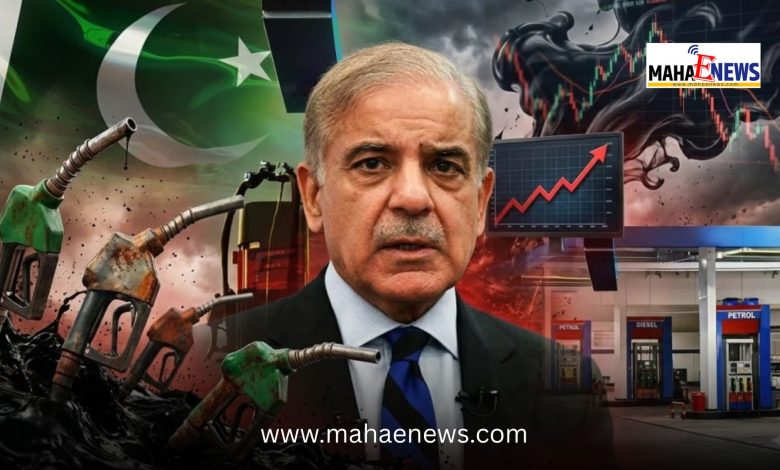
Islamabad: The ongoing conflict between Iran and Israel has begun to severely impact Pakistan’s energy sector, forcing the government to sharply increase fuel prices. Due to disruptions in crude oil supply caused by the war in West Asia, the Pakistani government has raised petrol and diesel prices by ₹55 per litre.
According to a report published by The Express Tribune, the price hike was announced on Friday as Pakistan faces a growing fuel shortage.
Following the increase, petrol prices in Pakistan have surged to ₹321 per litre, while high-speed diesel now costs ₹336 per litre. The ongoing conflict in Iran has disrupted global energy supplies, pushing crude oil prices to their highest levels in nearly two years.
Follow MahaiNews-X on: Follow MahaiNews on Instagram
Energy Crisis Looms
The war has slowed oil shipments passing through the Strait of Hormuz, one of the world’s most crucial maritime oil transport routes. As a result, fears of a global energy crisis are rising.
While India is expected to import additional crude oil from Russia with approval from the United States to avoid shortages, Pakistan is already facing severe supply constraints.
Pakistan currently has petrol and diesel reserves sufficient for only 28 days, while crude oil stocks are estimated to last just 10 days. The country also has LPG reserves for about 15 days, Finance Minister Muhammad Aurangzeb said on Friday.
Return of COVID-Era Measures
Like many developing nations, Pakistan relies heavily on imported fuel. With supply chains disrupted due to the ongoing conflict, the government is reviewing its energy policy to manage the crisis.
After Prime Minister Shehbaz Sharif ordered weekly adjustments in fuel prices, Petroleum Minister Ali Pervaiz Malik announced the latest increase.
To reduce fuel consumption, the government is considering reintroducing measures similar to those implemented during the COVID-19 pandemic. Under the proposal, companies may be directed to allow employees to work from home two days a week and restrict office attendance to essential staff only.
Strategic Shipping Route Disrupted
For nearly a week, the Strait of Hormuz near Iran has remained partially closed to maritime traffic due to the conflict. This narrow waterway is critical to global energy supply, as nearly 20 percent of the world’s oil shipments pass through it.
The disruption has intensified concerns about global oil supply stability and has already started affecting fuel prices and availability in several countries, with Pakistan among the hardest hit.