
Afghanistan–Pakistan Conflict Escalates; ‘Open War’ Declared After Airstrikes
Khawaja Asif Says Patience Has Ended as Kabul and Kandahar Targeted in Cross-Border Escalation
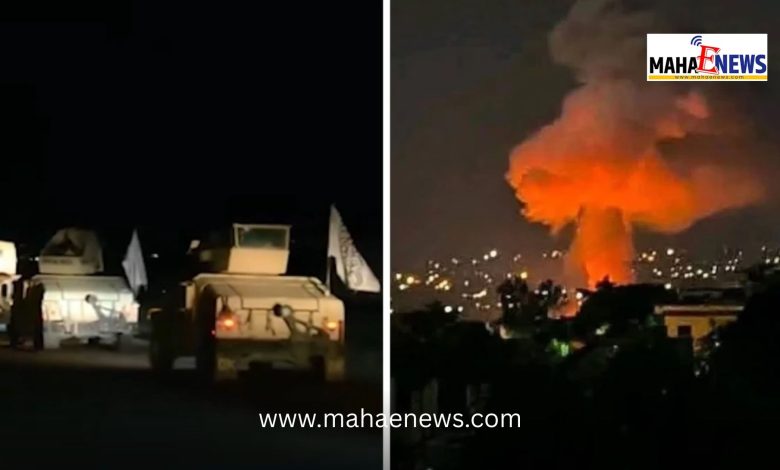
Afghanistan–Pakistan: Tensions between Afghanistan and Pakistan have sharply escalated following fresh cross-border clashes and airstrikes, pushing the two neighbours toward what Pakistan has described as “open war.”
Earlier this week, Pakistan carried out deadly air operations inside Afghan territory. In response, the Taliban-led Afghan government launched retaliatory attacks, further intensifying hostilities along the border.
Pakistan’s Defence Minister Khawaja Asif publicly declared that Pakistan’s “patience has run out” and that an open conflict has begun between the two sides.
Qatar’s Mediation Efforts Fail
Amid rising tensions, Qatar attempted to mediate between the two nations. However, there are no visible signs of de-escalation. Both sides have claimed that dozens of soldiers were killed in the clashes.
In a post on social media platform X, Khawaja Asif warned, “Our patience has ended. An open war has started between us and you,” signaling a hardened stance from Islamabad.
Airstrikes on Kabul and Kandahar
Taliban government spokesperson Zabihullah Mujahid stated that Pakistan carried out airstrikes in Kandahar and the southeastern province of Paktia. Explosions were also reportedly heard in Kabul, although there has been no official confirmation regarding the exact locations or casualty figures.
Previously, Afghanistan had claimed that Pakistani airstrikes near the border resulted in civilian casualties. Afghan forces reportedly carried out retaliatory strikes on Thursday night following those incidents.
Allegations After NATO Withdrawal
Khawaja Asif alleged that after the withdrawal of NATO forces, stability was expected in Afghanistan, but the Taliban continued actions hostile to Pakistan. He accused the Taliban of targeting Pakistan and asserted that Pakistan’s armed forces are delivering a decisive response.
“With patience exhausted, this is now an open conflict,” Asif reiterated in his statement.
The rapidly deteriorating situation has raised concerns across the region, with fears that prolonged hostilities could destabilize South Asia further.