
Pakistan–Afghanistan Talks Collapse in Istanbul: Rising Tensions Spark Fears of a New War
Peace talks between Pakistan and Afghanistan, mediated by Qatar and Turkey, fail to yield results. Taliban’s warning raises fears of renewed conflict along the border.
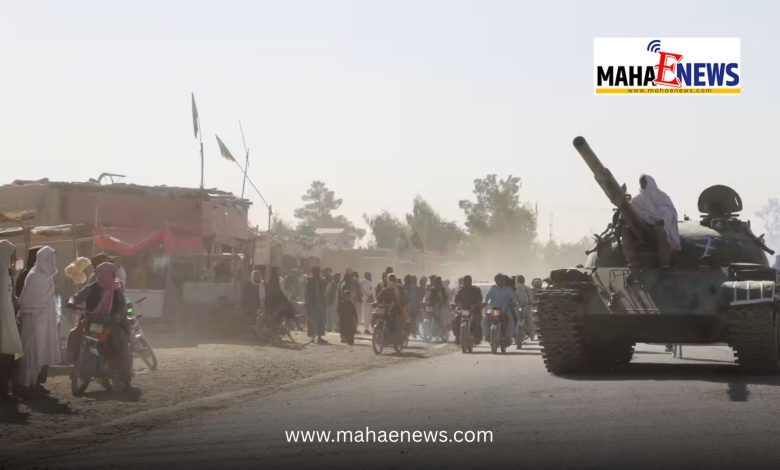
The fragile relationship between Pakistan and Afghanistan has once again reached a breaking point after peace talks collapsed during a meeting held in Istanbul on Thursday.
The discussions, mediated by Qatar and Turkey, aimed to reduce escalating tensions between the two neighbouring nations but ended without any concrete resolution.
According to diplomatic sources, representatives from both countries accused each other of border violations, militant support, and interference in internal affairs. The heated exchanges reportedly derailed the possibility of further negotiations, leading to fears of renewed military confrontation.
⚠️ Taliban’s Stern Warning
Following the failed talks, Taliban spokesperson Zabihullah Mujahid issued a strong statement, warning Pakistan against “cross-border aggression.”
He asserted that Afghanistan “will defend its sovereignty at all costs” and accused Islamabad of conducting unauthorized strikes inside Afghan territory.
Meanwhile, Pakistan’s Foreign Office countered the Taliban’s claims, stating that the country “reserves the right to act in self-defense” against terror outfits operating from Afghan soil.
🔥 Background of the Conflict
Tensions between Pakistan and Afghanistan have been on the rise since the Taliban’s return to power in 2021. Islamabad has repeatedly alleged that Tehrik-i-Taliban Pakistan (TTP), responsible for multiple attacks inside Pakistan, is being sheltered by the Afghan regime — a claim the Taliban denies.
The situation worsened after recent border clashes in the Khyber Pakhtunkhwa region, where both sides exchanged heavy fire. Analysts warn that diplomatic failure may now push the region closer to a full-scale military confrontation.
🕊️ International Reactions
Both Qatar and Turkey, who hosted the Istanbul talks, have appealed for restraint and urged both sides to return to dialogue.
The United Nations and China have also expressed concern, calling for de-escalation to prevent another humanitarian crisis in the region.