Iran Accused of Charging Illegal Transit Fees in the Strait of Hormuz Amid Rising Tensions
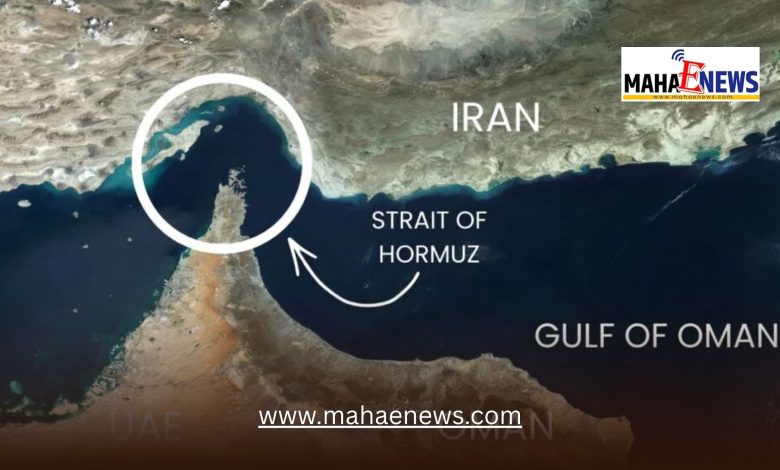
Strait of Hormuz: Amid escalating tensions with the United States and Israel, Iran is reportedly imposing illegal transit fees on vessels passing through the strategically crucial Strait of Hormuz. According to emerging reports, certain ships are being asked to pay millions of dollars to secure safe passage through this vital global trade route.
As per a report by Iran International, Iran is allegedly charging up to $2 million (approximately ₹16–17 crore) per vessel. The move is believed to be an attempt to offset the mounting costs of ongoing military conflict.
Iranian lawmaker Alaeddin Boroujerdi, a member of the national security committee, has reportedly defended the decision. He stated that the government has formally decided to implement transit charges in the Strait and has already begun enforcement.
Also Read: Iran’s supreme leader in the shadows
Meanwhile, U.S. President Donald Trump has issued a stern ultimatum to Iran, demanding that the Strait of Hormuz be fully reopened within 48 hours. Trump warned that failure to comply could result in targeted strikes on Iran’s power plants and critical energy infrastructure.
In response, Iran has escalated its rhetoric, warning that Israel’s energy facilities could also be targeted. Iranian officials have claimed they possess the capability to strike and destroy such infrastructure within a single day, signaling a sharp intensification in geopolitical tensions.
The growing conflict has begun to cast a shadow over global financial markets. According to market analyst Tony Sycamore from IG Markets, the situation resembles a “ticking time bomb,” with fears that unresolved tensions could trigger a “Black Monday” scenario, leading to a sharp crash in global stock markets and a surge in crude oil prices.
Iran’s military has further warned that any attack by the U.S. on its energy infrastructure would result in the complete closure of the Strait of Hormuz. Officials stated that the passage would remain shut until damaged facilities are fully restored.
Additionally, U.S. Ambassador to the United Nations Mike Waltz emphasized that the United States will not allow disruptions to global energy supplies and confirmed that American naval forces have been deployed to the region.