
HSRP Number Plate Quality Sparks Vehicle Owners’ Anger
Poor-quality HSRP number plates are fading, breaking, and falling off within months, forcing vehicle owners to spend thousands on replacements despite mandatory compliance.
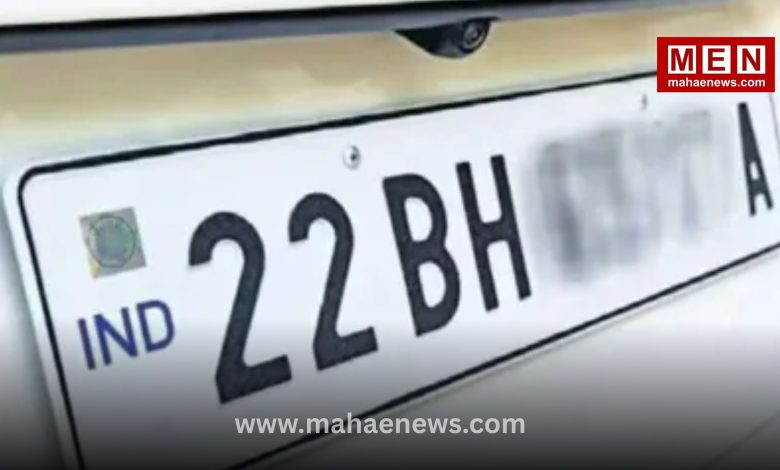
HSRP Number Plate Quality Sparks Vehicle Owners’ Anger
The mandatory High Security Registration Plate (HSRP) system, introduced to improve vehicle security and prevent number plate fraud, is now drawing widespread criticism as thousands of vehicle owners complain about poor-quality plates that are fading, cracking, or falling off within just a few months of installation.
Follow MahaENews-X on: Follow MahaENews on Instagram
Vehicle owners allege that instead of offering long-term durability, the mandatory HSRP plates are becoming an expensive burden. Many are being forced to repeat the entire replacement process, spending ₹2,000 to ₹3,000 on fresh plates due to quality issues that they claim should never have occurred.
The Central and Maharashtra governments made HSRP mandatory for vehicles registered from April 1, 2019, while the Transport Department has authorised three private companies to manufacture and install these plates across the state’s Regional Transport Offices (RTOs). Since December 15, 2024, HSRP installations have been carried out across all 56 Regional and Deputy Regional Transport Offices in Maharashtra.
Designed with advanced security features—including a chromium hologram, laser-coded unique identification number, IND marking, and tamper-proof locks—HSRP plates are intended to prevent duplication, vehicle fraud, and theft. However, vehicle owners say the plates are failing to withstand normal road conditions.
Several motorists have reported that the reflective coating and printed colours begin fading within months, making registration numbers difficult to read. This not only reduces visibility but can also affect traffic camera detection, potentially creating identification errors during traffic enforcement and criminal investigations.
Another major concern is the quality of the aluminium rivets used to fix the plates. Unlike traditional nut-and-bolt fittings, HSRP plates are attached using permanent rivets to prevent easy removal by criminals. However, vehicle owners claim the rivets are of poor quality and often come loose due to road vibrations, potholes, or minor impacts, causing the entire plate to detach.
Adding to the frustration, several fitting centres have allegedly been charging ₹150 to ₹300 as additional fitting fees for brackets or stronger installation, despite the mandatory nature of the process.
If an HSRP plate goes missing or gets damaged, vehicle owners must first file a police complaint, pay fresh application charges, book another appointment, and repeat the entire installation process. The overall expense—including police formalities, processing fees, and installation charges—can reach ₹2,000 to ₹3,000, even if the damage was caused by an accident, flooding, or poor product quality.
Officials have reiterated that the government awarded HSRP contracts to three authorised companies and that they are responsible for supplying number plates that meet the prescribed quality standards.
Deputy Regional Transport Officer Rahul Jadhav stated that the authorised companies are legally required to install HSRP number plates strictly as per government quality specifications.