
Trump’s 60-Day Iran Deal Shakes Global Oil Politics
Temporary Iran-US MoU over Strait of Hormuz sparks major geopolitical debate; India watches oil prices, trade routes, and regional stability closely.
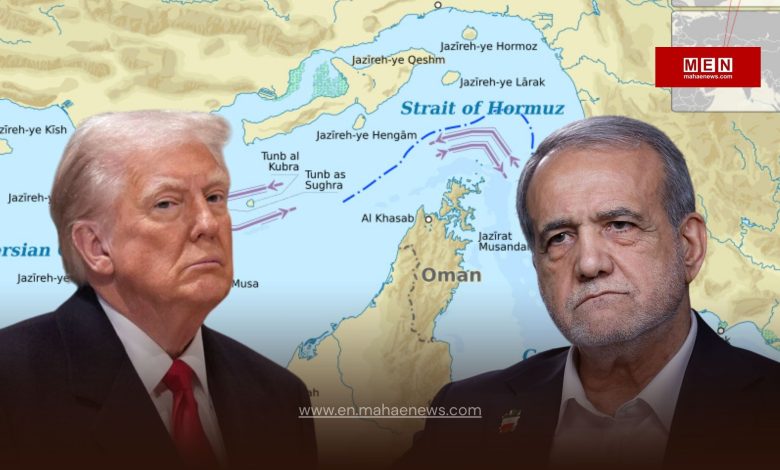
Trump’s 60-Day Iran Deal Shakes Global Oil Politics
Washington / Tehran:
US President Donald Trump has reportedly agreed to a crucial 60-day temporary MoU with Iran amid rising military tensions in the Middle East. Experts are already calling it a “jugaad deal” — a short-term arrangement designed to prevent a full-scale regional crisis while protecting global oil supplies.
The agreement comes after weeks of direct confrontation between the US and Iran over the strategically important Strait of Hormuz. Iran had warned of shutting down the vital shipping route once again, triggering panic in global energy markets. In response, the US reportedly carried out strikes near Bandar Abbas and other locations, while Iran’s IRGC retaliated aggressively.
Pakistan’s attempt to mediate between Washington and Tehran reportedly failed, forcing the Trump administration to open direct talks with Iran. The result is a temporary 60-day understanding aimed at reducing tensions and stabilizing oil movement across the Gulf.
Also Read | Delhi HC refuses immediate relief to Cockroach Janta Party
Donald Trump described the agreement as “a good beginning,” while Iran claimed the US was “forced into compromise under pressure.”
What Is Included in the 60-Day Iran-US Deal?
Strait of Hormuz to Remain Open
Iran has agreed not to block the Strait of Hormuz for the next 60 days. Oil and gas transportation through the route will continue normally. In return, the US has reportedly promised limited relaxation of sanctions imposed on Iran.
Drone and Missile Attacks to Stop
Both nations have agreed to avoid direct drone or missile strikes during the agreement period. Any direct confrontation between Iran’s IRGC and the US military is expected to be avoided temporarily.
Nuclear Program Discussions Begin
Iran has agreed to increase transparency regarding its nuclear program and allow greater access to IAEA inspectors. The US has indicated willingness to move toward a broader nuclear understanding in the future.
Middle East Tension Control
The Middle East remains highly unstable, and the US has reportedly assured Iran that it will avoid fresh attacks on Iran-backed groups such as Hezbollah and Houthi rebels during the temporary arrangement.
Iran Gets Limited Oil Export Relief
Iran may receive limited permission to increase oil exports, offering immediate relief to its struggling economy and potentially impacting global crude oil prices.
What Could Be India’s Biggest Concern?
For India, the development is extremely important. Nearly a major portion of India’s crude oil imports pass through the Strait of Hormuz. Any disruption in the route directly impacts fuel prices, inflation, shipping costs, and the Indian economy.
If the agreement holds, India could benefit from stable oil prices and smoother energy imports. However, experts warn that this remains only a temporary arrangement, and tensions could explode again after 60 days.
The geopolitical balance in the Middle East is now entering a highly sensitive phase, with global powers closely monitoring every move from Washington and Tehran.